A tire pressure warning can appear on a normal commute, while hauling equipment, or halfway through a highway run. This TPMS warning light guide explains what that small dashboard symbol means, what to do next, and when low tire pressure becomes a road-safety issue that should not wait.
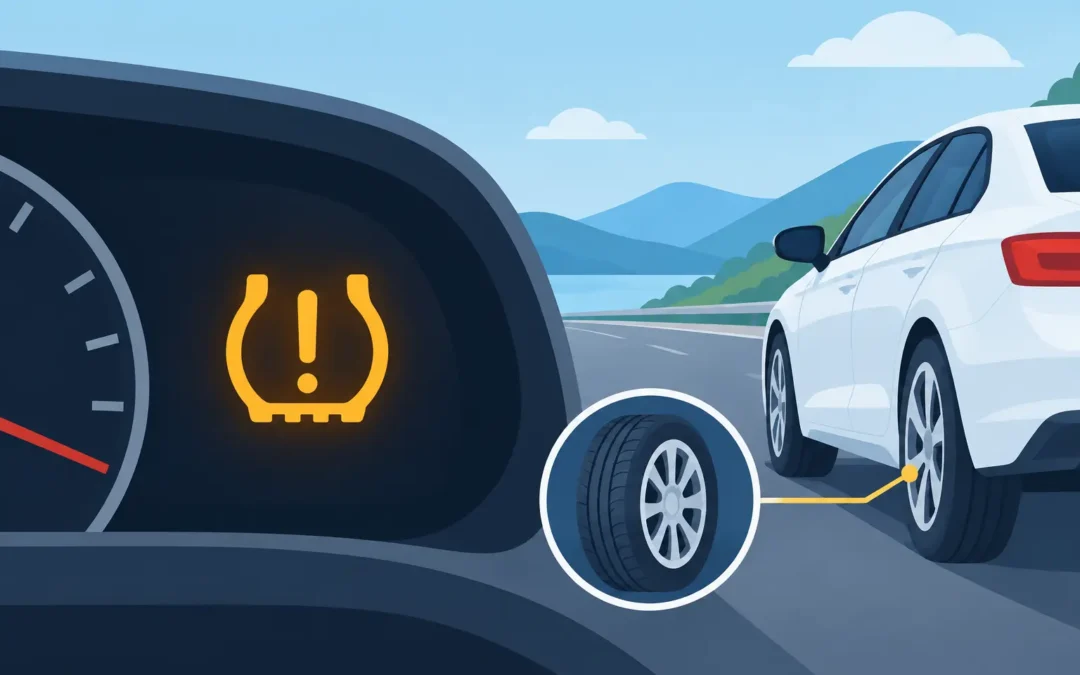
The TPMS light usually looks like a cross-section of a tire with an exclamation point inside it. TPMS stands for Tire Pressure Monitoring System. Its job is to alert you when one or more tires are significantly underinflated, helping you address a problem before it causes uneven wear, poor handling, a blowout, or damage to the tire itself.
What the TPMS Warning Light Is Telling You
A solid TPMS light usually means tire pressure is low in at least one tire. It does not always tell you which tire is affected, although many newer vehicles display individual pressure readings or identify the specific wheel on the instrument panel.
A flashing TPMS light means something different. When the light flashes for roughly a minute and then stays on, the system may have a sensor, battery, communication, or calibration fault. Your tires may still need attention, but the vehicle also needs a proper TPMS inspection. Do not assume flashing simply means the pressure will correct itself.
The warning threshold varies by vehicle, but the light commonly comes on when pressure drops about 20 to 25 percent below the manufacturer’s recommended cold pressure. That is a substantial loss. A tire rated for 35 psi may trigger a warning around 26 to 28 psi, depending on the vehicle.
Why Tire Pressure Changes More Than Drivers Expect
Cold weather is one of the most common reasons the TPMS light appears. Tire pressure typically falls by about 1 psi for every 10-degree Fahrenheit drop in temperature. A tire that was properly inflated during warm weather can be low after an overnight temperature change.
That does not mean every cold-weather warning is harmless. Temperature can expose a slow leak from a nail, a damaged valve stem, wheel corrosion, or a failing tire bead. Fill the tire to the correct specification, then monitor it. If the warning returns or pressure keeps dropping, the tire needs service.
Heavy loads, towing, and long highway trips also place more demand on tires. For commercial vehicles, trailers, and work trucks, pressure checks are part of uptime management. An underinflated tire builds excess heat, and heat is a major contributor to tire failure under load. The cost of a quick pressure check is small compared with a roadside delay, a damaged wheel, or missed delivery time.
What to Do When the TPMS Light Comes On
Start by reducing speed and avoiding aggressive steering, hard braking, or extended high-speed driving. If the vehicle pulls to one side, feels unstable, or you hear a repeated thumping sound, pull over safely as soon as possible. These signs can point to severe pressure loss or tire damage.
Once parked in a safe location, visually inspect all four tires. Look for a tire that appears low, a visible nail or screw, sidewall damage, a bulge, or a wheel that has been damaged by a pothole or curb. Do not remove an object embedded in the tread. It may be slowing the leak, and removing it can cause a rapid loss of air.
Next, use a reliable pressure gauge. Check the recommended pressure on the vehicle’s driver-side door placard, not the maximum pressure molded into the tire sidewall. The door placard gives the vehicle manufacturer’s recommended cold tire pressure for the front and rear tires. Those values may be different.
Inflate each tire to the specified cold pressure. Cold means the vehicle has been parked for several hours or driven only a short distance. If you must add air after driving, add enough to meet the placard pressure, then recheck when the tires are cold.
After correcting the pressure, drive the vehicle for several minutes. Many systems reset automatically after the vehicle reaches a certain speed. Some vehicles require a manual TPMS reset through the dashboard menu. If the light stays on after pressure is confirmed, or comes back quickly, schedule tire service.
When a TPMS Light Means Stop Driving
A solid warning light does not always require a tow, but there are situations where continuing to drive risks tire failure or wheel damage. Stop and arrange help if the tire is visibly flat, pressure is dropping quickly, the sidewall is cut or bulging, or the vehicle becomes difficult to control.
Do not drive on a flat tire to “make it to the shop” unless there is no safer option and you are moving only far enough to get out of immediate danger. Even a short distance on a flat tire can destroy the internal structure, turning a repairable puncture into a required replacement.
For fleet operators and drivers on major highway routes, the right response is often mobile tire service or roadside assistance. A trained technician can assess the tire, repair an eligible tread puncture, replace a damaged tire, and check for wheel or valve issues without adding unnecessary downtime.
TPMS Warning Light Guide: Solid vs. Flashing
The difference between a solid and flashing light matters:
- A solid TPMS light most often indicates low tire pressure in one or more tires.
- A flashing TPMS light usually indicates a malfunction in the monitoring system, such as a failed sensor, depleted sensor battery, or a sensor that was not relearned after tire service.
- A light that appears after a seasonal tire change may mean the vehicle needs a TPMS relearn procedure, particularly if a second set of wheels uses different sensors.
- A light that returns repeatedly after inflation often points to a leak, damaged tire, wheel sealing issue, or faulty valve stem.
TPMS sensors are useful, but they are not a replacement for routine inspections. The system warns when pressure has already dropped below a set threshold. It will not tell you whether tread is worn out, whether a tire has internal damage, or whether pressure is slightly uneven but still above the warning limit.
Common Causes of a TPMS Warning
A simple temperature change is common, but recurring warnings deserve a closer look. Punctures from road debris are frequent, especially in construction areas and on busy highways. A nail in the repairable center tread area may be fixable if the tire has not been driven flat and the damage meets repair standards.
Leaks can also develop around the valve stem, tire bead, or wheel rim. Aluminum wheels can corrode where the tire seals against the rim, particularly in regions with winter road treatment. A bent wheel from a pothole impact can create a slow leak and may also affect ride quality or alignment.
Sensor problems become more likely as vehicles age. TPMS sensor batteries are sealed inside the sensors and commonly last several years, but they do not last forever. If a sensor battery fails, replacement and programming may be needed. Certified technicians can diagnose whether the issue is pressure-related or electronic before replacing parts unnecessarily.
How to Prevent Future TPMS Warnings
Check tire pressure monthly and before long trips. Check the spare tire too if your vehicle has a full-size spare with a pressure sensor. Use the door-placard pressure, and inspect the tread for nails, cuts, uneven wear, and damage.
Rotate tires on schedule and have alignment checked when you notice uneven wear, steering pull, or a crooked steering wheel. Alignment does not directly trigger the TPMS light, but poor alignment can wear tires faster and make it harder to spot developing tire issues before they become urgent.
After tire replacement, repair, seasonal wheel changes, or sensor replacement, make sure the TPMS system is reset or relearned correctly. This small step prevents false warnings and ensures the system can alert you when a real pressure loss occurs.
For drivers, a TPMS warning is an early warning to protect your tires and your safety. For businesses, it is also a reminder that tire maintenance protects schedules, equipment, and operating costs. Milton 401 Tire & Alignment Centre can inspect pressure loss, repair eligible punctures, diagnose TPMS faults, and help keep passenger vehicles, trucks, and trailers road-ready. If the light returns after you add air, treat it as a service issue before the next trip makes it a roadside problem.