A blown drive tire on a loaded truck does not just create an inconvenience. It puts delivery schedules at risk, leaves drivers exposed on the shoulder, and can turn a routine run into hours of lost time. That is why mobile truck tire repair matters. When the service is handled properly, it restores safety, protects the wheel assembly, and gets the vehicle moving again without the delay of towing to a shop.
For owner-operators, fleet managers, and local businesses, the real question is not whether roadside tire service is useful. It is whether the provider can show up quickly, diagnose the issue correctly, and fix it to a standard that holds up after the truck pulls back onto the highway. Speed matters, but so does workmanship.
What mobile truck tire repair actually includes
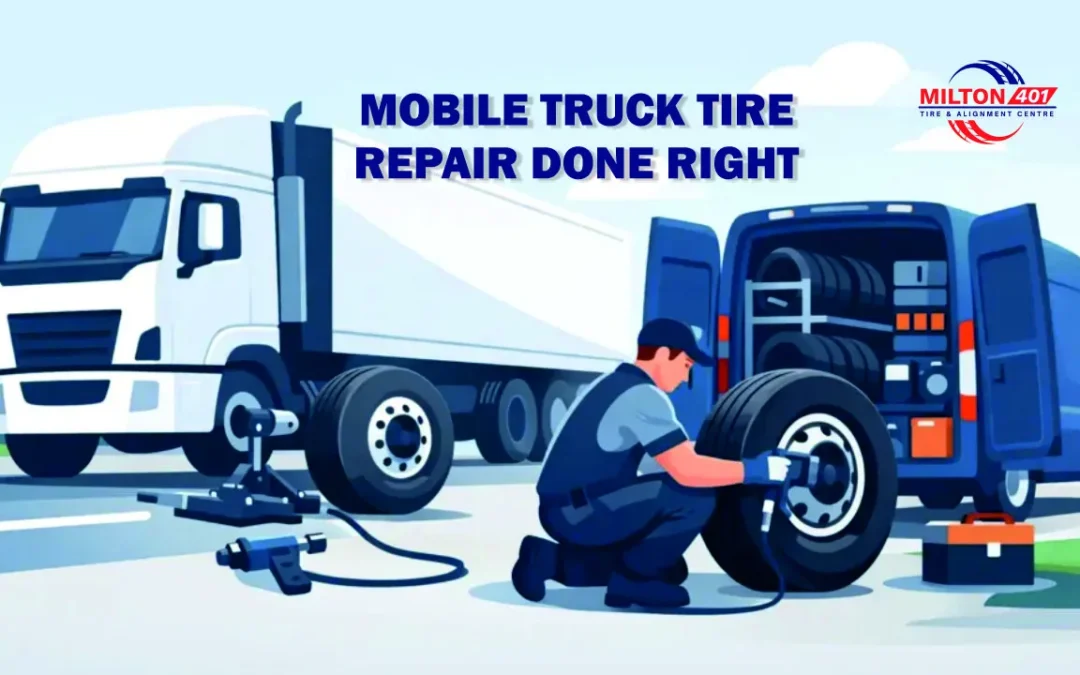
Mobile truck tire repair is more than pulling up with an air tank and a jack. A professional service call should be built around inspection, safe removal, repair or replacement, inflation to the correct pressure, and a final check before the truck returns to service.
Sometimes the tire can be repaired on site. A puncture in a repairable area may be fixable if the internal structure is still sound and the damage meets industry standards. In other cases, replacement is the only safe option. Sidewall damage, bead issues, zipper damage, severe underinflation wear, or casing failure usually mean the tire should not go back into service.
That distinction matters. A fast patch is not the same as a proper repair. On a heavy-duty truck, cutting corners can lead to another breakdown a few miles later, or worse, a dangerous failure under load.
When roadside repair makes sense and when it does not
Not every tire problem should be repaired at the roadside. A clean puncture caught early is one thing. A tire that has been run flat for too long is another. Heat damage can weaken the casing even if the hole looks minor from the outside.
This is where experience shows. Certified technicians know how to inspect for hidden damage, look at tread condition, check the valve and wheel area, and decide whether the safest move is repair, replacement, or temporary service to get the truck to a controlled facility. The right answer depends on the tire position, axle load, road conditions, and the overall condition of the assembly.
For fleet operators, this is especially important. One quick roadside decision can affect compliance, downtime, and operating cost. Saving a tire is useful only if that tire is still safe to run.
Common situations that call for mobile truck tire repair
Most service calls fall into a few categories. Road debris punctures are common, especially on major routes and industrial roads. Slow leaks from valve problems or bead leaks can also take a truck out of service unexpectedly. Dual tire failures need careful attention because the companion tire may have been overloaded without the driver realizing it.
Trailer tires present their own issues. Many failures happen after curb impact, heat buildup, or long periods of wear that were not caught during inspection. Yard equipment and local delivery trucks also need mobile support because bringing every disabled unit back to a shop is not always practical.
Why response time is only part of the job
Fast arrival is important, but a quick response means little if the service vehicle is not properly equipped. Mobile truck tire repair should include the tools and inventory needed to handle heavy-duty tires safely and efficiently. That means more than basic hand tools. It means the technician can lift the vehicle correctly, remove the wheel assembly without damage, and install or repair the tire using proper procedures.
A dependable roadside setup should also account for different truck and trailer applications. Commercial vehicles run a range of tire sizes, load ratings, and wheel configurations. The provider needs the technical knowledge to match the replacement correctly and the practical ability to complete the work in roadside conditions.
This is one reason many drivers and fleet managers prefer working with a full-service tire provider instead of a general roadside contractor. Tire work on commercial equipment is specialized. The stakes are higher, and the margin for error is smaller.
The hidden cost of a poor tire repair
The cheapest roadside call is not always the least expensive choice. An improper repair can lead to repeat breakdowns, uneven wear, wheel damage, lost time, and premature tire replacement. If the repair fails under load, the cost grows fast.
There is also the scheduling impact. One truck down can disrupt a route. One delayed trailer can create a chain reaction across dispatch, customer commitments, and labor planning. For local service fleets and logistics businesses, uptime is not a nice extra. It is part of profitability.
That is why a good mobile tire service focuses on the whole operating picture. The goal is not just to get the truck rolling. The goal is to restore it in a way that reduces the chance of another stop a few hours later.
What good technicians check before sending a truck back out
A proper roadside tire service should include more than the damaged tire itself. The technician should inspect the mating tire in a dual position, look for wheel or rim damage, verify inflation pressure, and check for signs of irregular wear that may point to another problem.
If a tire failed because of chronic underinflation, a bad valve stem, suspension wear, or alignment issues, replacing the tire solves only part of the problem. This is where a service-first provider brings extra value. They can flag concerns that need follow-up before the same truck burns through another tire.
For commercial operators, that kind of practical feedback matters. It turns an emergency service call into a chance to prevent the next one.
Mobile truck tire repair and fleet operations
Fleets need consistency as much as speed. When multiple drivers are on the road, a reliable mobile service partner helps standardize response, documentation, and repair quality. That reduces guesswork for dispatch and helps maintenance teams track recurring issues.
It also supports better tire cost control. If roadside calls are handled by technicians who know commercial tire service, repairable casings are more likely to be identified correctly, and non-repairable tires are less likely to be pushed back into service by mistake. Over time, that protects both safety and budget.
For businesses operating across busy corridors and local routes, mobile support is often part of basic risk management. Trucks do not choose convenient places to break down. The service partner has to be ready for highway shoulders, yards, job sites, and parking lots.
Choosing the right provider for mobile truck tire repair
If you are comparing providers, look past broad promises. Ask whether the technicians are trained for heavy-duty applications, whether the company handles both roadside and in-shop follow-up, and whether they can support trucks, trailers, and fleet vehicles without improvising on site.
Coverage area matters too. A provider serving major highway routes and local service zones is usually better positioned to respond where commercial vehicles actually operate. Availability matters as well, especially for businesses that run early mornings, nights, or time-sensitive schedules.
A strong provider will also be direct about what can be repaired and what should be replaced. That honesty builds trust. It is better to hear that a tire is unsafe than to be given a temporary fix that creates a second breakdown.
Milton 401 Tire & Alignment Center is built around that kind of practical service approach, combining roadside response with certified tire and alignment support for local drivers and commercial operators who cannot afford unnecessary downtime.
Why local knowledge makes a difference
Roadside service is not just technical. It is logistical. Providers familiar with commercial traffic patterns, industrial areas, and major trucking routes can often respond more efficiently and arrive better prepared for the type of equipment they are likely to see.
That local experience helps with everything from access issues in tight yards to understanding the pace and pressure of regional freight movement. For drivers, it means less back-and-forth. For fleet managers, it means service that feels organized instead of reactive.
Mobile truck tire repair works best when it is backed by real commercial tire expertise, proper equipment, and a clear commitment to doing the job safely. When that combination is in place, a roadside tire problem becomes a manageable interruption instead of a full-day setback. If your truck, trailer, or fleet depends on staying road-ready, the right service partner is not just convenient. It is part of keeping your operation moving.